Against performance fetishization
Modern workplaces have become obsessed with measuring and optimizing worker performance through complex administrative systems that create what David Graeber called "bullshit jobs".
Thoughts, critiques, and explorations in critical design practice.
Modern workplaces have become obsessed with measuring and optimizing worker performance through complex administrative systems that create what David Graeber called "bullshit jobs".
Content Warning: This article includes personal experiences with depression and mentions of suicide. Please take care of yourself and read with caution if these topics are sensitive for you.
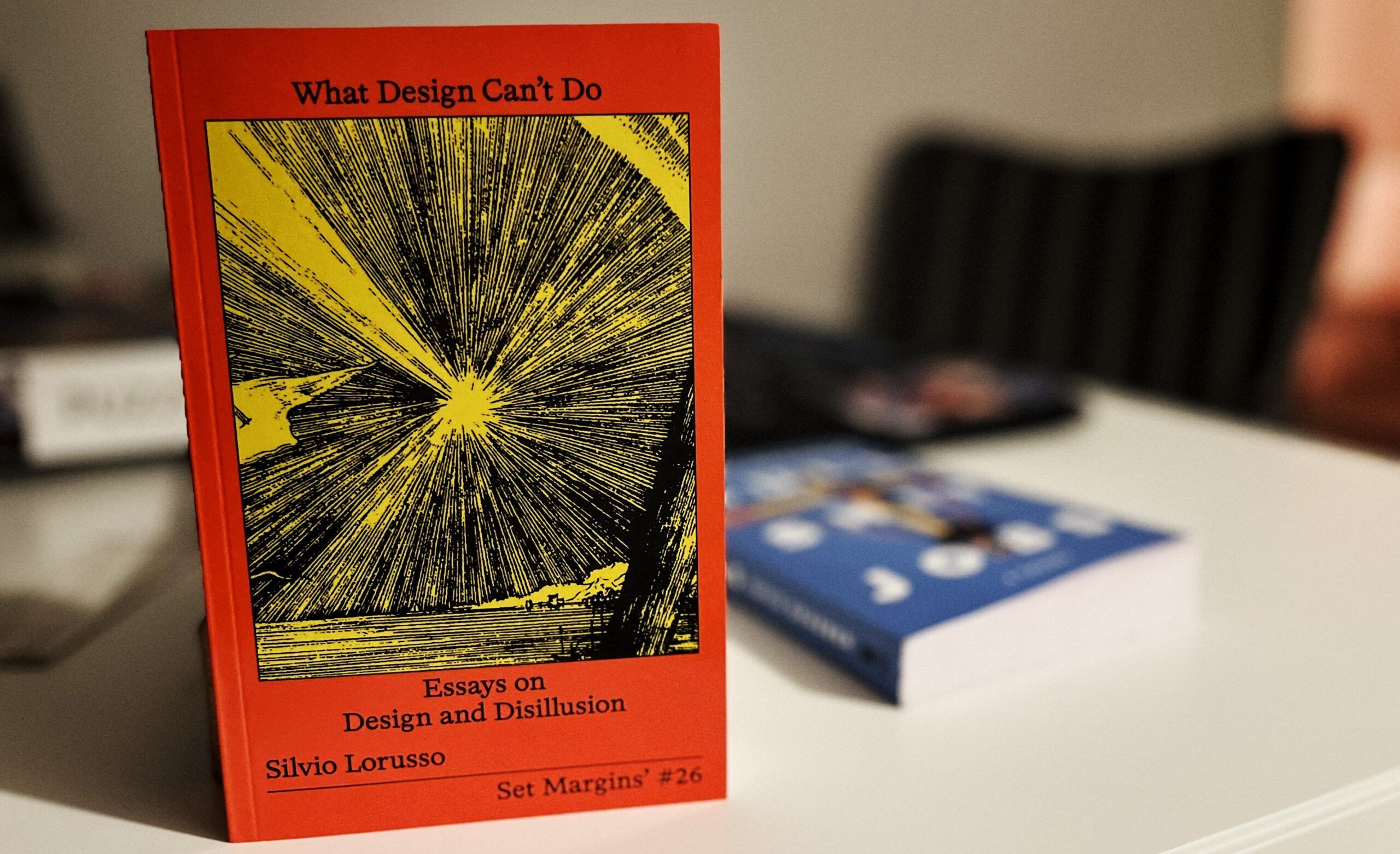
Silvio Lorusso delivers a stinging critique of modern design's entanglement with capitalism, using memes and folklore to expose the industry's contradictions and designer disillusionment.
We are working in businesses that are wired to grow solely for profit, with old thinking that has harmed us through climate catastrophe, war, and the breakdown of society.
Children are systematically excluded from design decisions, yet 1 in 3 internet users is a child. We must adopt child-centered design that considers their rights and developmental needs by default.
The people-centered focus needs to be more than reactive. Mapping the designer journey uncovers precious moments for growth across attraction, recruitment, onboarding, retention and separation.
When Steve Jobs asked "Do you love it?" about a design, it revealed a truth: creating something outstanding requires love from its creators. Products should enrich lives, not just serve functions.
DesignOps is 20% tactical and 80% relationships. The human aspect—recruiting for values fit, onboarding new hires, and supporting team health—is often overlooked but essential for success.
The pandemic forced us to reimagine our world. Design must evolve beyond human-centered to holistic: accountable, inclusive, and planet-centric. Organizations need to align profit with impact.
What is your purpose? Companies must move beyond maximizing shareholder returns to creating shared value: enhancing competitiveness while advancing social and economic conditions.
Design operates on three levels: craft, operations, and strategy. Holistic design must be inclusive, ethical, diverse, and people-first. Impact equals profit, but the opposite isn't true.